
Supply Chain Planning in a Dynamic Environment
For polyethylene converters, supply chain planning involves balancing a variety of considerations, from inventory management and lead-time variability to transportation options and visibility into material movement. Market conditions, logistics constraints, weather events, and shifts in supply and demand can all influence those decisions.
As a result, many organizations continue to evaluate how their supply chains are structured and where additional flexibility or visibility may be beneficial.
Factors Shaping Supply Chain Decisions
When assessing resin sourcing strategies, converters may consider factors such as:
- Dependence on a limited number of supply sources
- Transportation and logistics requirements
- Lead-time variability
- Inventory planning objectives
- Access to timely supply and shipment information
- Availability of alternative transportation and delivery options
Industry analysts [1]often encourage organizations to evaluate these considerations in the context of their own business priorities, operating requirements, and tolerance for disruption.
[1] Top Supply Chain Risks and Mitigation Strategies | Gartner
Evaluating Supply Networks
Location is one factor that can influence supply chain planning. The distance between production, distribution, and manufacturing sites may affect transportation requirements, transit times, inventory strategies, and logistics planning.
As a result, converters often evaluate supplier footprints and logistics networks as part of broader sourcing decisions. Depending on the circumstances, access to regional production, multiple transportation modes, or alternative delivery routes may provide additional planning options.
Shell Polymers is strategically located within 700 miles of most North American polyethylene buyers. Hypothetically, this may save converters from having their working capital stalled in the supply chain.
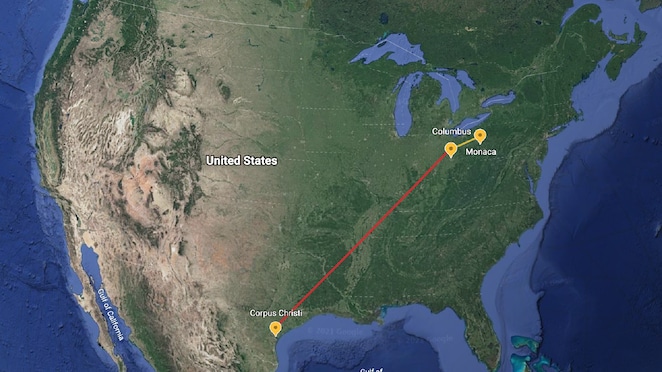
For example, let's say that Converter X is located in Columbus, OH, approximately 150 miles away from Shell Polymers’ location in Monaca. They previously sourced all their resins from Corpus Christi, TX, 1,175 miles away from their facility. This location proximity enables converters to potentially mitigate supply chain risk especially during times when supply is tight and demand is high.
The Importance of Operational Flexibility
Converters frequently look for suppliers that offer multiple pathways for product movement. Access to rail and truck transportation, flexible loading capabilities, and established logistics processes can help provide alternative options when transportation networks experience constraints or disruptions.
While no supply chain is entirely insulated from external events, additional transportation and fulfillment options may support greater flexibility when circumstances change.
Visibility Supports Planning
Access to accurate and timely information can be an important component of supply chain management.
Many converters seek suppliers that provide clear communication regarding orders, shipments, and delivery status. Visibility into material movement can support inventory planning and allow organizations to make informed operational decisions as conditions evolve.
Communication is also an important aspect of the supplier relationship, particularly when market conditions, transportation networks, or customer requirements change.
Considering Supply Chain Capabilities
When evaluating suppliers, converters often look beyond product specifications and pricing alone. Factors such as manufacturing footprint, logistics capabilities, communication practices, and customer support resources may also play a role in sourcing decisions.
The relative importance of these considerations will vary by organization, depending on its operational priorities, customer commitments, inventory strategy, and overall approach to risk management.
Ultimately, supply chain planning is about aligning sourcing decisions with business needs and identifying suppliers whose capabilities support those objectives.
Shell Polymers provides U.S.-based polyethylene production, logistics capabilities, and customer support resources that converters may consider as part of their overall supply chain strategy.




Disruptions Hurt Converter Profits
Minimizing delays will maximize profits. Learn how that can happen with consistent customer support, friction-free tools, and more.
References
1 https://www.gartner.com/smarterwithgartner/diversifying-global-supply-chains-for-resilience
2 https://www.gartner.com/smarterwithgartner/diversifying-global-supply-chains-for-resilience
3 https://www.gartner.com/smarterwithgartner/diversifying-global-supply-chains-for-resilience
4 https://www.gartner.com/smarterwithgartner/diversifying-global-supply-chains-for-resilience