PC 12 is the next generation heavy duty diesel engine oil specification being developed by the American Petroleum Institute (API) for internal combustion diesel engines.
The purpose of the API PC-12 engine oil specification is to support the needs of new diesel engine technologies in collaboration with engine manufacturers represented by the Engine Manufacturers Association (EMA).
What will the new engine oil specifications be called once finalized, and what is the first licensing date from API?
The finalized specification names are API CL-4 (replacing CK-4) and API FB-4 (replacing FA-4), with a first license date of January 1, 2027.
What is the difference between PC-12A and PC-12B?
The two subcategories, initially referred to as PC-12A and PC-12B, are now named API CL-4 and API FB-4, respectively. CL-4 oils will be backward-compatible with today’s CK-4 engine oil and can be used as a direct replacement. FB-4 oils are lower-viscosity, fuel-economy formulations intended for newer engine platforms where durability and efficiency must be balanced.
Will CL-4 and FB-4 engine oils replace the current CK-4 and FA-4 standards and will they be backward compatible?
CL-4 and FB-4 will replace CK-4 and FA-4 as the most advanced HDEO categories. CL-4 oils will be backward compatible with CK-4 oils, making them suitable for use in both new and older engines. FB-4 is engineered for next-generation engine designs focused on improved fuel efficiency and reduced emissions and will serve as a suitable replacement for applications currently using FA-4.
How does Shell test and validate their new PC-12 engine oils?
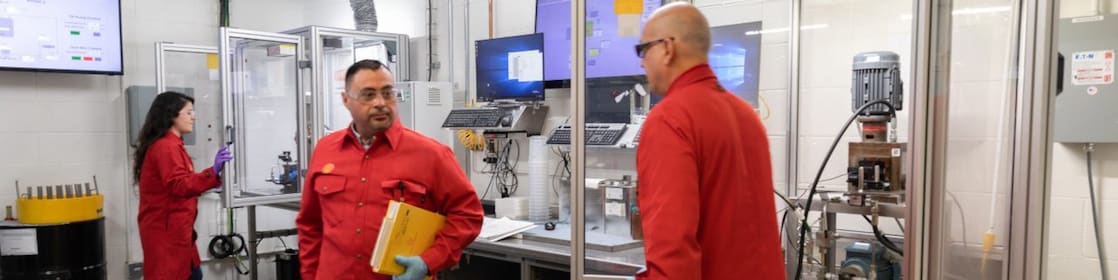
Shell uses a combination of extensive laboratory testing and real-world field trials across a diverse fleet of vehicles. This includes thousands of hours of controlled bench testing and millions of miles of fleet testing in harsh, real-world conditions. These tests evaluate critical performance areas, including oxidation control, wear protection, viscosity stability, elastomer compatibility, and aftertreatment system performance.
How has Shell been involved with the development of PC-12 engine oils?
Shell has played a leading role in developing PC-12 engine oils since 2021, conducting both lab and real-world testing of next-generation, low-viscosity Shell Rotella formulations. These efforts ensure performance for both new and legacy engines. Karin Haumann, Shell’s OEM Technical Manager, chairs the API New Category Development Team, overseeing PC-12 development and working closely with OEMs, engine manufacturers, and additive suppliers.
Do lower viscosity oils increase engine wear?
When properly formulated and validated, such as Shell’s upcoming API FB-4 oils, lower-viscosity oils will not increase engine wear. These oils are extensively tested to ensure wear protection, even under high-load, high-temperature conditions, while offering improved fuel efficiency.