
Automotive
Today’s vehicles rely on thousands of automotive plastic parts and that number is growing as manufacturers adopt automotive polymers like HDPE and LLDPE to improve part performance, reduce weight and support sustainability goals. At Shell Polymers, we provide high-quality resins that empower converters to produce durable, efficient plastic car parts—while supporting the adoption of new technologies and adaptation to fast-moving trends in automotive manufacturing.
Related conversion processes
Injection molding and blow molding are widely used in the production of automotive plastic parts, offering the strength, precision and moisture resistance needed for demanding vehicle environments from under-the-hood components to interior systems for electric vehicles. These conversion processes help meet the evolving performance and quality standards of today’s automotive industry.
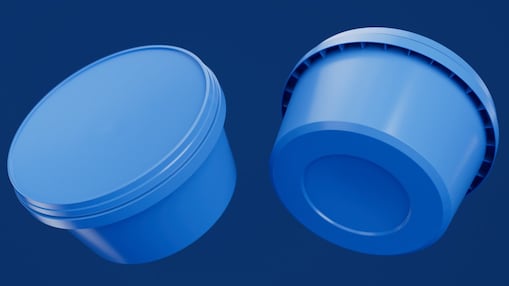
Blow molding
Blow molded HDPE is used to make hollow products such as industrial containers and drums, liquid containers and more.

Injection molding
Injection molded LLDPE and HDPE is used to make caps, bottle closures, toys and more.
View sheet extrusion product details
View sheet extrusion product details
| Product | Melt index | Density | Product details |
|---|---|---|---|
| Shell Polymers HDPE 55B035S | 0.35 | 0.955 | View technical properties |
| Shell Polymers HDPE 63B072S | 0.72 | 0.963 | View technical properties |
View safety data sheets
View safety data sheets
| Document title | Document |
|---|---|
| Shell Polymers HDPE | View document (PDF, 318 kB) |
| Shell Polymers Polyethylene Wide Spec or Offspec | View document (PDF, 259 kB) |
Product 101
Understanding how we name our grade slates is key to selecting the right resin properties that impact everything from heat resistance and electrical insulation to fuel efficiency and part durability. Whether you're working with fiber reinforced materials or choosing among different types of plastic, our naming system helps you identify the best fit for your automotive manufacturing needs.
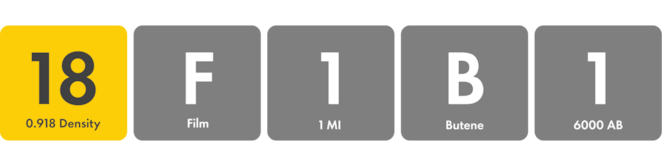
Density is reflected by the first two numbers found in the product name, which is 18 in this instance. These numbers represent the last two significant digits of the density value. See examples below.
18 = 0.918 density
53 = 0.953 density
63 = 0.963 density
Expert insights on automotive polymers

How plastic parts for the automotive industry are going to change moving forward
Check out how automotive manufacturing trends will impact the demand for plastic parts.
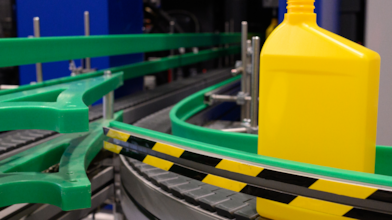
High-quality resin can increase blow molding machine production
See just how much of a difference high-quality HDPE resin makes to blow molding production.
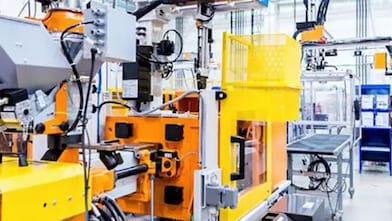
How to enhance your plastic injection molding operation in 3 steps
Learn how your choice of lubricant can impact production, equipment availability, and downtime.